AI for Emotional Wellness: Check-Ins, Tools, Habits
How can AI support emotional wellness?
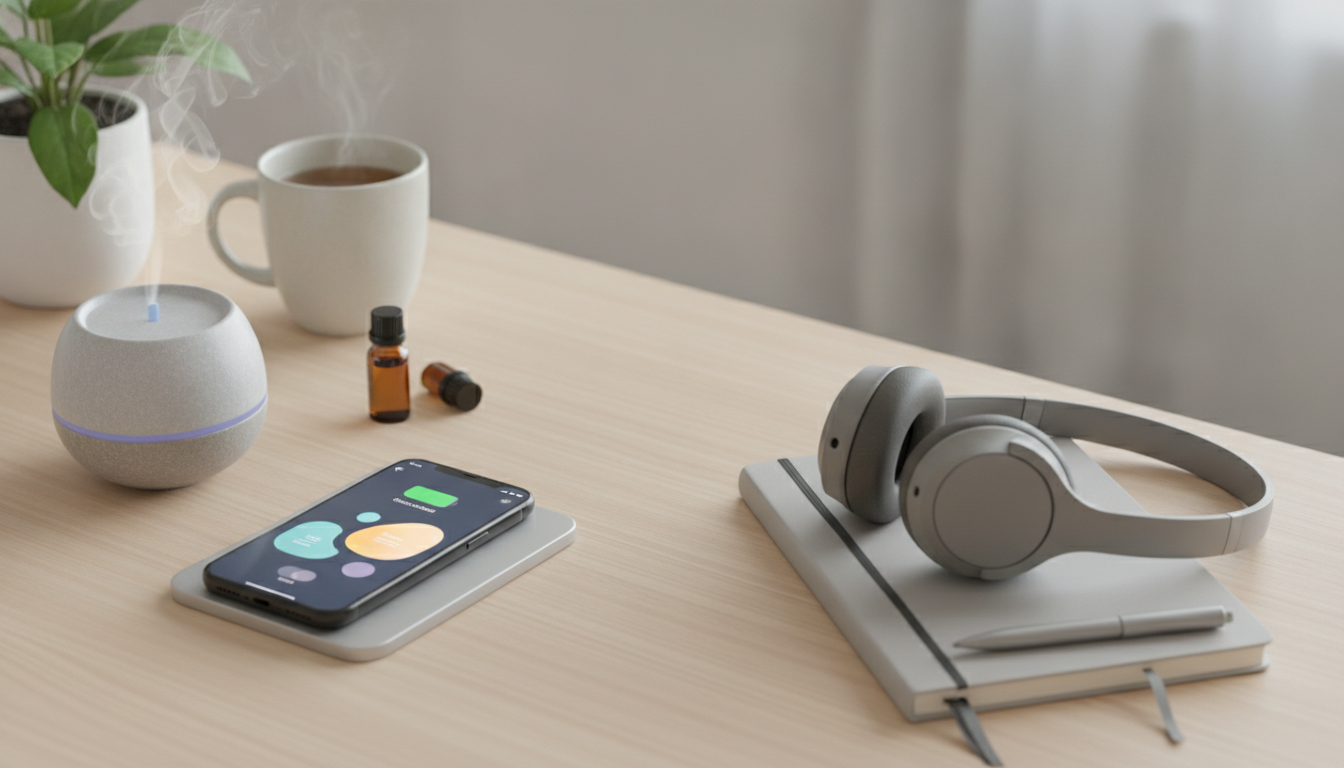
AI can support emotional wellness by offering practical, everyday help: guided coping tools, mood tracking, timely check-ins, and personalized suggestions that make it easier to notice patterns and take small steps before stress feels unmanageable. Used thoughtfully, it can become a low-friction companion that supports healthy routines while reinforcing that professional care is still important when symptoms are intense or persistent.
Personalized check-ins and mood pattern insights
Many AI-powered wellness apps can prompt quick daily reflections—sleep quality, energy, irritability, motivation—and then summarize trends over time. Seeing correlations (like anxiety rising after poor sleep or heavy screen time) can help people adjust habits earlier. Some tools also recognize language patterns in journaling and offer gentle prompts to reframe thoughts or name emotions more clearly.
On-demand coping tools when feelings spike
When emotions run hot, it helps to have immediate, structured support. AI can deliver short breathing exercises, grounding techniques, progressive muscle relaxation, or guided journaling in the moment—especially late at night or between appointments. These micro-interventions can lower intensity enough to make the next choice (hydrating, stepping outside, texting a friend) feel doable.
Routine-building and habit support
Emotional wellness often improves with consistent basics: sleep, movement, sunlight, nutrition, social connection, and downtime. AI can help by setting reminders, adapting goals to your schedule, and suggesting realistic “minimum viable” actions on hard days. Over time, small wins can reinforce self-efficacy and reduce overwhelm.
Social support and crisis-aware guardrails
Some systems can encourage reaching out when a user reports loneliness or escalating distress, offering scripts for starting a difficult conversation or suggesting trusted contacts. However, AI should never be the only lifeline—if there’s risk of harm, immediate human support matters most.
For a deeper look at tools, use cases, and practical ways to integrate them safely, visit How can AI support emotional wellness?.
FAQ
Can AI help reduce stress at work?
Yes. AI can offer quick calming exercises, organize tasks into manageable steps, and suggest break timing based on workload patterns. It can also help identify stress triggers by tracking mood alongside meetings, deadlines, and sleep.




Leave a comment