2.4GHz USB Wireless Headset for PS5/PS4/PC Guide
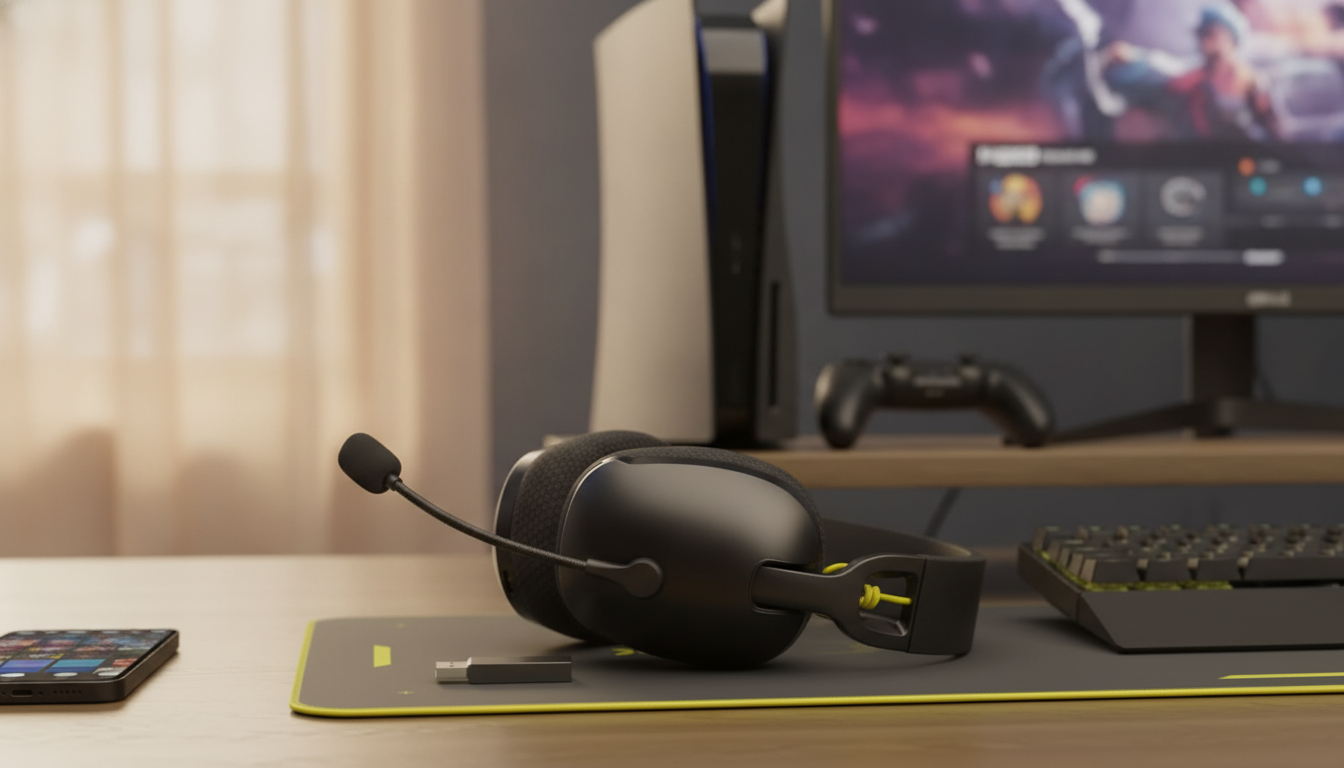
Wireless Gaming Headset with Mic for PS5/PS4/PC: What to Expect from 2.4GHz USB Audio
A low-latency wireless connection, clear voice chat, and a comfortable fit can make long gaming sessions feel effortless. A 2.4GHz USB gaming headset is built around that idea: plug in a small receiver, get responsive audio timing, and keep your setup clean across PS5, PS4, and PC. Below is a practical breakdown of what matters most—how it connects, how it feels after a few hours, and how to get the best mic and sound performance day to day. For more guidance, see The Best Gaming Headsets for Every Budget in 2026 – IGN.
What Matters Most in a Wireless Headset for Console and PC
Wireless gaming headsets can look similar at a glance, but the small details are what shape the experience once a match gets intense or a session stretches late. When comparing options, prioritize the essentials that affect play moment-to-moment. For further reading, see The 6 Best Wireless Gaming Headsets of 2026 – RTINGS.com.
- Stable wireless performance: 2.4GHz USB dongles typically prioritize responsiveness over maximum range, which is ideal when timing cues matter.
- Comfort for long sessions: Headband pressure, ear cushion shape, and overall weight influence fatigue more than most specs.
- Mic clarity in party chat: Consistent voice pickup reduces repeated callouts and keeps coordination smooth.
- Simple device switching: Knowing how it connects to PS5/PS4 versus PC helps avoid “it’s connected but not working” frustration.
- Controls within reach: Quick access to volume and mute is often more valuable than extra software features you rarely open mid-game.
Wireless Connection: 2.4GHz USB for Low-Latency Play
For gaming, the big advantage of 2.4GHz wireless through a USB receiver is timing. When audio arrives with minimal delay, it’s easier to track footsteps, reload cues, and positional movement—especially in competitive shooters where a half-second matters.
On consoles, setup is typically plug-and-play: insert the USB dongle and select the headset in sound settings. On Windows PCs, the dongle usually appears as a new playback and recording device. Keeping the receiver unobstructed (and away from dense metal objects or crowded USB hubs) can help avoid dropouts.
Quick Compatibility and Setup Checklist
| Device | Connection | What to Select in Settings | Notes |
|---|---|---|---|
| PS5 | USB dongle | Audio output to USB headset | Use PS5 sound settings; confirm input mic device if available |
| PS4 | USB dongle | Audio devices: output + input | Party chat mic should follow the headset input |
| PC (Windows) | USB dongle | Default playback + default recording device | Select headset for both output and mic in Sound settings |
If audio stutters or cuts out, try a different USB port first (front ports and USB hubs can be noisier). Also reduce interference by moving the receiver to a more open position. If the headset connects but stays silent, confirm your console/PC is actually outputting audio to the headset rather than TV/monitor speakers. For platform-specific steps, reference the official PlayStation 5 sound settings guide and Microsoft’s Windows audio troubleshooting.
Comfort and Ergonomic Fit for Extended Sessions
Comfort is performance. A headset that feels fine for 20 minutes can become distracting after two hours—especially with glasses, warmer rooms, or longer weekend sessions.
- Headband comfort: A well-shaped band spreads pressure across the top of the head to reduce “hot spots” over 2–4 hour sessions.
- Ear cushions and seal: Soft padding that seals well helps keep bass consistent and limits outside distractions without needing extreme volume.
- Clamping force: Too tight can cause temple or jaw soreness; too loose can shift when you lean back or move quickly.
- Glasses-friendly fit: Cushions that compress gently can reduce pressure points where frames meet the ear.
- Heat management: Breathable materials help, but short breaks still make a difference during longer play blocks.
Mic Performance for Party Chat and Team Coordination
A gaming mic doesn’t need to sound like a studio microphone to be effective—it needs to be consistent and intelligible. Clear pickup helps teammates understand callouts the first time, which is crucial in ranked play or fast PvP.
Sound Tuning for Competitive and Casual Games
Everyday Use: Charging, Durability, and Controls
For general device compliance and wireless equipment basics, the FCC’s Equipment Authorization page offers helpful background on how wireless devices are regulated.
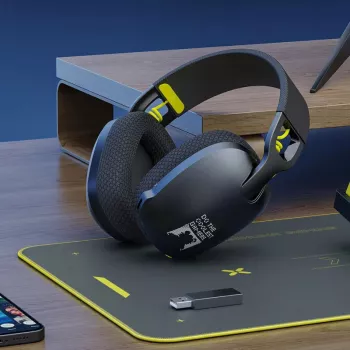
Product Snapshot: Wireless Gaming Headset with Mic for PS5/PS4/PC
Wireless Gaming Headset with Mic for PS5/PS4/PC – 2.4GHz USB, Ergonomic Fit is in stock and priced at $56.82.
At-a-Glance Details
| Detail | Value |
|---|---|
| Compatible platforms | PS5 / PS4 / PC |
| Wireless type | 2.4GHz via USB receiver |
| Mic | Included for voice chat |
| Fit | Ergonomic design |
| Availability | In stock |
More In-Stock Picks
- Thinking Smarter: Using AI to Sharpen Your Critical Mind ($8.99)
- Land Your Dream Job with ChatGPT | Job Search Checklist for Career Success ($2.99)
FAQ
Does a 2.4GHz USB wireless headset work on both PS5 and PS4?
Yes, as long as it connects through a USB receiver. On each console, plug in the dongle and select the headset as the audio output (and the input for the mic) in the sound settings.
How can mic quality be improved for party chat?
Place the mic near the corner of your mouth, then lower overlapping in-game voice volume if it’s drowning out speech. Also confirm the headset is selected as the recording/input device on your console or PC.
What should be checked if the headset connects but there is no sound?
Verify the headset is chosen as the playback/output device in system settings, then try a different USB port. Re-seat the dongle in a more open position away from obstructions and common interference sources.




Leave a comment